


Teréze Taber
Early in our years operating Vivo, Lynden and I developed a habit whenever we visited one of our salons. We would often sit in the car outside for a minute or two before walking in, quietly discussing what we thought we were about to encounter.
After a while we noticed something interesting.
More often than not, the problem we had been told about was not actually the real problem at all.
A salon owner might say the issue was poor performance, but when we arrived it was clear the manager was overwhelmed and avoiding difficult conversations. Another might believe the team lacked motivation, when the numbers revealed the pricing structure made profitability almost impossible.
On the surface these situations looked similar. But the solutions required entirely different tools.
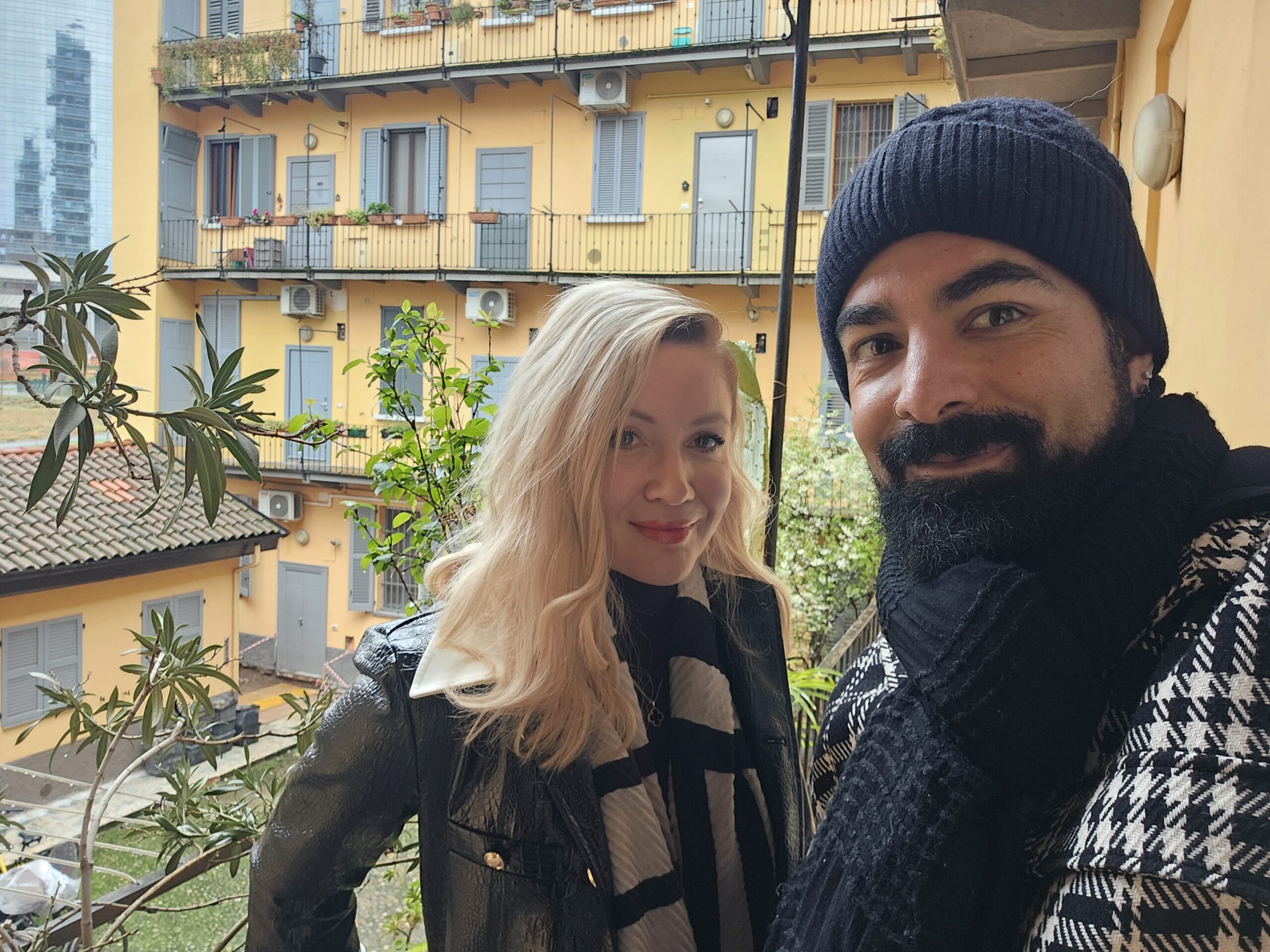
After privately owning and operating 85 salons at once, Lynden and I learned something that fundamentally changed how we approach business challenges.
Not all problems are the same. Some problems are structural, and some are human. When the wrong tool is used to solve the wrong type of problem, the issue rarely improves. In fact, it often becomes more complicated.
One of the greatest advantages Lynden and I have today is perspective. For over a decade, we were responsible for operating a network of salons across New Zealand. At its peak, that meant overseeing 85 businesses, hundreds of stylists, and more than 600 people working within the wider group, working on both the people side and the money side.
When you run a single salon, your understanding of the industry is naturally shaped by that environment. Your experience is defined by one culture, one leadership style, one team dynamic, one financial structure, and one version of what “normal” looks like. That is not a limitation; it is simply how most salons operate.
However, when you operate dozens of salons across different regions, with different managers, different personalities, and different team dynamics, patterns begin to emerge. Once you start recognising those patterns, problems stop feeling mysterious and start feeling familiar. Situations that once appeared unique begin to reveal themselves as variations of issues you have seen many times before.
Our understanding of the difference between coaching and consulting did not come from theory. It came from the daily reality of running a business at scale. The work we were doing changed constantly depending on what the organisation needed in that moment.
Some mornings began with spreadsheets, analysing service menus, reviewing colour margins, and untangling contractor models that had gradually drifted into financial chaos. Before lunch we might be supporting a salon manager through a disciplinary conversation she was deeply uncomfortable having. By mid-afternoon we could be working through team dynamics in a salon where communication had quietly broken down. Later in the day we might be reviewing national strategy decisions that needed to work across hundreds of stylists and multiple layers of management.
Running a salon group at that scale often felt less like operating a business and more like managing a small village. When you operate at that level, you begin to understand something important: not every challenge lives in the same place.
“When the wrong tool is used to solve the wrong type of problem, the issue rarely improves. In fact, it often becomes more complicated.”
Some issues exist within the structure of the business itself, while others exist within the leadership of the people running it.
Lynden often sums it up with a simple line: “If all you have is a hammer, everything looks like a nail.”
In salons, that observation proves surprisingly accurate. We have seen owners try to coach their way through structural problems that actually required clear business consulting. We have also seen owners bring in consultants to analyse numbers when the real issue was emotional pressure within the leadership team.
Both approaches create activity. Both can feel like progress. However, neither will solve the issue if the diagnosis itself is wrong.
I remember one salon that appeared to be performing exceptionally well on paper. Revenue was strong, rebooking rates were healthy, and colour ratios were exactly where they should be. From a financial perspective, the business looked extremely successful.
However, when you stepped inside the salon, the atmosphere told a different story. The team was quietly exhausted, and the manager was carrying far more emotional responsibility than one person should. Small frustrations were escalating into larger tensions, and the overall energy of the salon felt fragile.
In that situation, there was nothing wrong with the pricing model or the service structure. What the salon needed was not another spreadsheet or a revised business strategy. It needed leadership support. The manager needed guidance around boundaries, communication, and the confidence to stop carrying every emotional tension within the team. As those leadership skills strengthened, the entire atmosphere within the salon began to change.
That salon did not need consulting. It needed coaching.
In other salons we encountered the opposite situation. These teams had strong culture, supportive relationships, and clients who genuinely enjoyed spending time in the space. The atmosphere was positive and the stylists worked well together.
Yet financially, things were quietly drifting. Services were underpriced, retail was treated as optional rather than essential, and colour margins were slowly eroding.
In these situations, owners often tried to solve the issue by motivating the team more. They focused on inspiration, encouragement, and lifting the energy within the salon. But no amount of motivation can fix faulty maths. These salons did not need more enthusiasm. They needed consulting. Someone needed to analyse the numbers objectively, identify where profit was leaking, and rebuild the structure so the business could properly support the team working within it.
Across 85 salons, these patterns repeated themselves again and again. When you have worked with hundreds of stylists, dozens of managers, and multiple layers of leadership, you begin recognising very quickly where the real issue sits
A consultant strengthens the structure of the business by bringing clarity to pricing, systems, and strategy, identifying problems and building the framework needed to fix them. A coach strengthens the leader by developing communication skills, leadership confidence, decision-making ability, and the capacity to guide a team without carrying every burden alone.
One strengthens the blueprint, while the other strengthens the builder. Successful salons understand that both are necessary.
One of the most common assumptions salon owners make is that their experience reflects the entire industry. In reality, it rarely does. When you have only seen one salon environment, challenges can feel incredibly personal and uniquely complex. Without wider context, it can be difficult to determine where the real issue lies.
However, when you have seen 85 salons operating simultaneously, those same problems begin to look remarkably familiar. What once felt confusing becomes pattern recognition.
That perspective is exactly why Behind the Brand was built the way it was. We did not want to create another platform focused solely on education, product, or strategy. Instead, we built something that reflects what we learned from operating salons at scale.
Coach. Consult. Colour.
Sustainable growth happens when both the business and the leader evolve together. Better numbers alone do not create freedom, and inspiration without structure rarely produces confidence. Real progress happens when leadership and strategy align.
Final Thoughts
If there is one thing running 85 salons taught us, it is this: most business challenges become far clearer once you understand where the problem truly lives. And once you choose the right tool for that problem, solutions tend to follow much faster than people expect.
Teréze Taber
Co-founder, Behind the Brand Agency